


Aeroderivative gas turbines
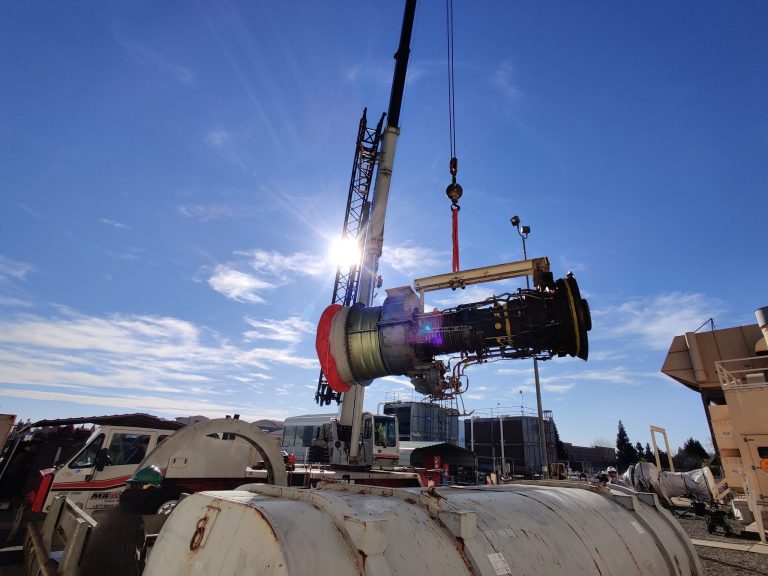
GE LM series
- LM1600
- LM2500
- LM5000
- LM6000


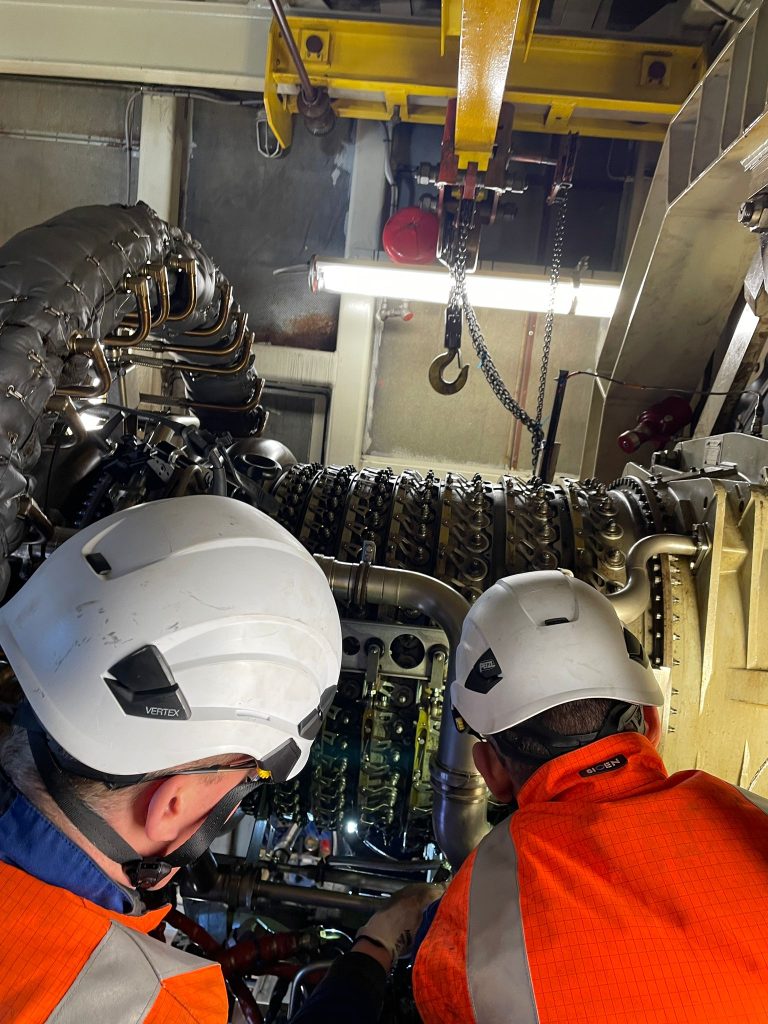
Consistent maintenance and thorough inspections of your gas turbine are essential to maximize efficiency, avoid unplanned downtime, extend life, ensure safe operation and regulatory compliance and traceability.
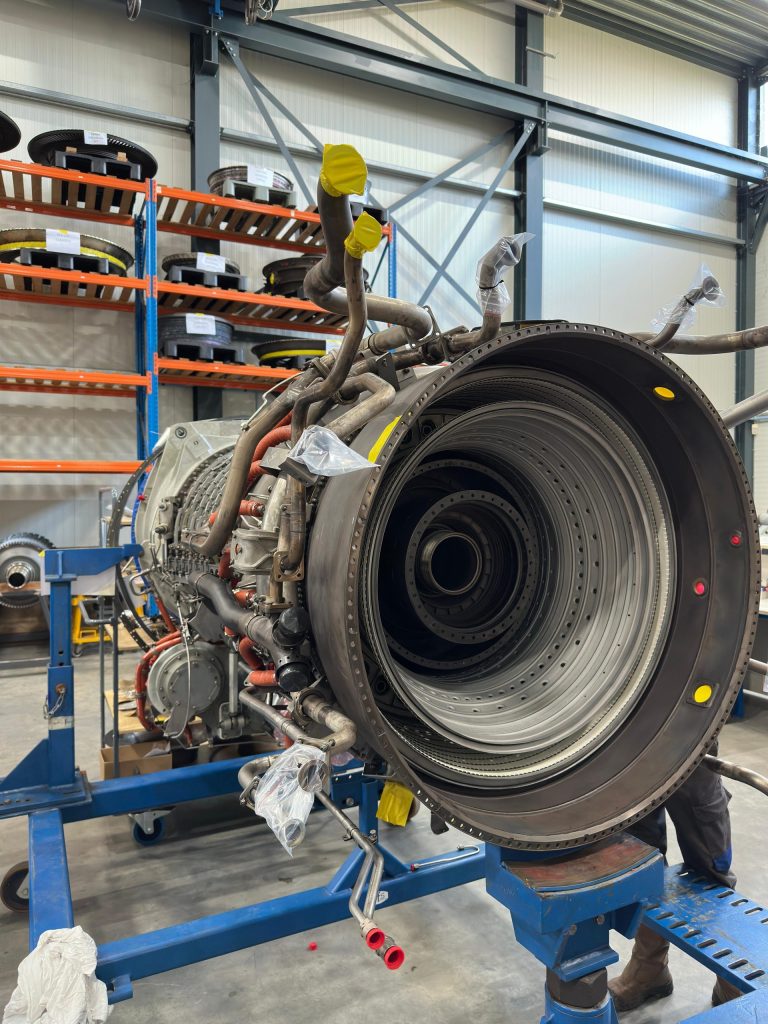
Traditionally, maintenance follows a scheduled interval plan—e.g. inspections at every 4,000–8,000 operating hours, hot sections and major overhauls every 25,000–50,000 hours, depending on manufacturer guidelines and operating conditions.
Use pattern (e.g. base load vs frequent starts/stops), fuel (type and air quality), and NOₓ control methods all affect inspection schedules and maintenance intervals
a Visual and Borescope Inspections
These inspections are performed on-site or in our workshop without major disassembly and results in an engine condition report and recommendations for future maintenance or upgrades. Read more about the MFS Borescope Inspection. With an annual inspection, the inspection is not only limited to the gas turbine.
b Combustion inspection
A combustion inspection is a planned shutdown examination focused on the combustion system components of a gas turbine. This is typically conducted every 8,000 to 12,000 equivalent operating hours (1 to 2 years), depending on duty cycle, operating environment, and manufacturer recommendations. Read more about the MFS combustion inspection.
c Hot section/Gas-Path Inspection
A Hot section/Gas-Path Inspection requires partial disassembly and involves removal of casings and rotor, full inspection of combustor liners, turbine blades, and stationary parts, plus detailed cleaning and component replacement where needed. You receive a report concerning the engine condition and recommendations for possible repair, future maintenance or upgrades. Read more about the MFS Hot-Gas-Path Inspection.
d. Major inspection
Major overhauls are conducted based on running hours or equipment condition, aligning with OEM recommendations or custom inspection schedules—comparable to combustion and hot gas path inspections, but tailored to turbine type and configuration.
Procedure Major Inspection
• Incoming inspection
• Disassembly into modules
• Modular disassembly to piece part level
• Cleaning and inspection (Visual, NDT and Dimensional if required)
• Module assembly
• Final engine assembly
• Testing
e Auxiliary Inspection
Our repair, inspection and overhaul services are not limited to the gas turbine only. The most common auxiliary equipment of the gas turbine package can also be serviced for inspection, overhaul and testing. Our auxiliary inspection focuses on the supporting systems of your gas turbine, such as lubrication, hydraulics, cooling, ventilation, fuel supply, instrumentation, and safety systems.
This ensures all auxiliary systems work correctly and avoids unexpected turbine trips and increases the reliability of your gas turbine installation.
f. Control System Checks
Retrofitting your gas turbine control system is a cost-effective strategy to extend asset life, improve operational flexibility, and meet modern safety and emissions standards, all without the need for a complete turbine replacement. At MFS, we specialize in control system health checks, upgrades and retrofits for both aeroderivative and heavy-duty gas turbines, delivering enhanced functionality with minimal disruption.
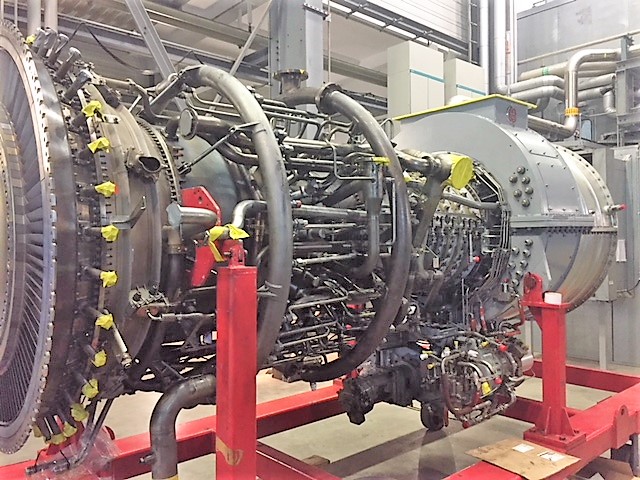

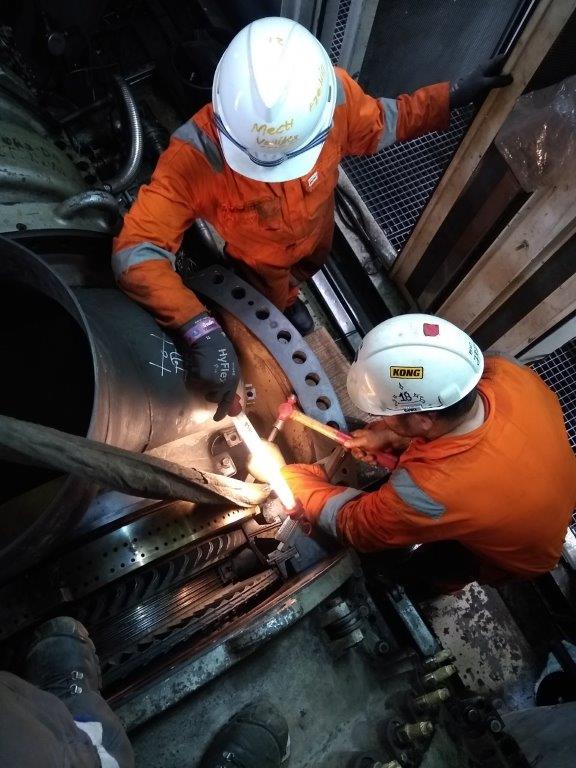


The complete overview of our services, performed by our well qualified engineers for Aeroderivative and Heavy Duty gas turbines:
Let MFS take care of your power!
Our engineers have experience with both aeroderivative and heavy-duty gas turbines used in industrial and energy applications.
GE LM series
GE Frame series
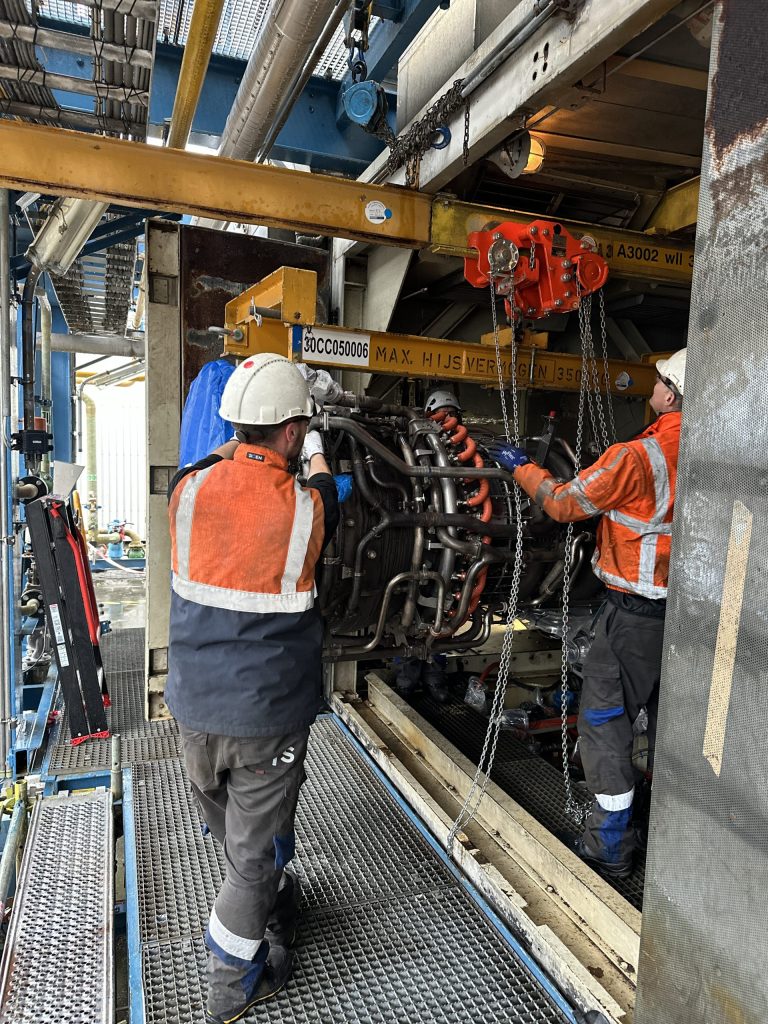
Let MFS help you tailor a customized maintenance and inspection program based on your gas turbine model, duty cycle, and performance goals. Contact us to enhance reliability, cut downtime, and optimize operational efficiency.
Reduce turbine downtime and decrease your total cost of ownership.