


Aeroderivative gas turbines
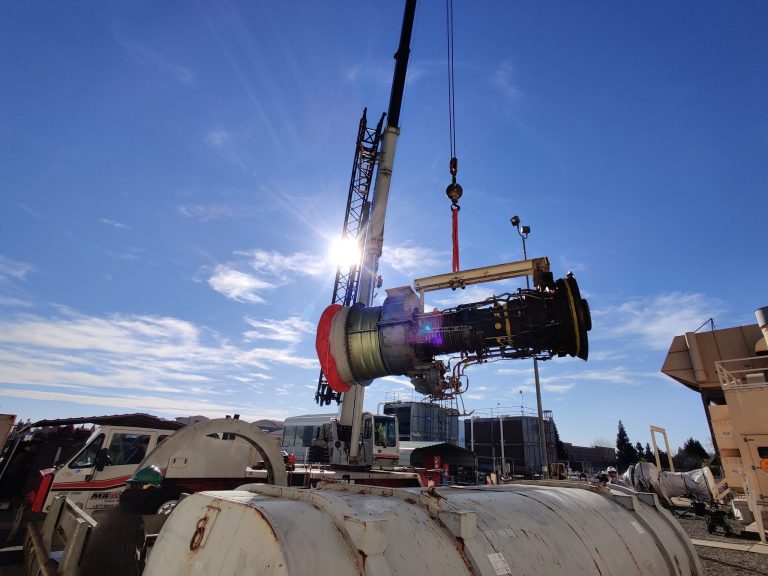
GE LM series
- LM1600
- LM2500
- LM5000
- LM6000

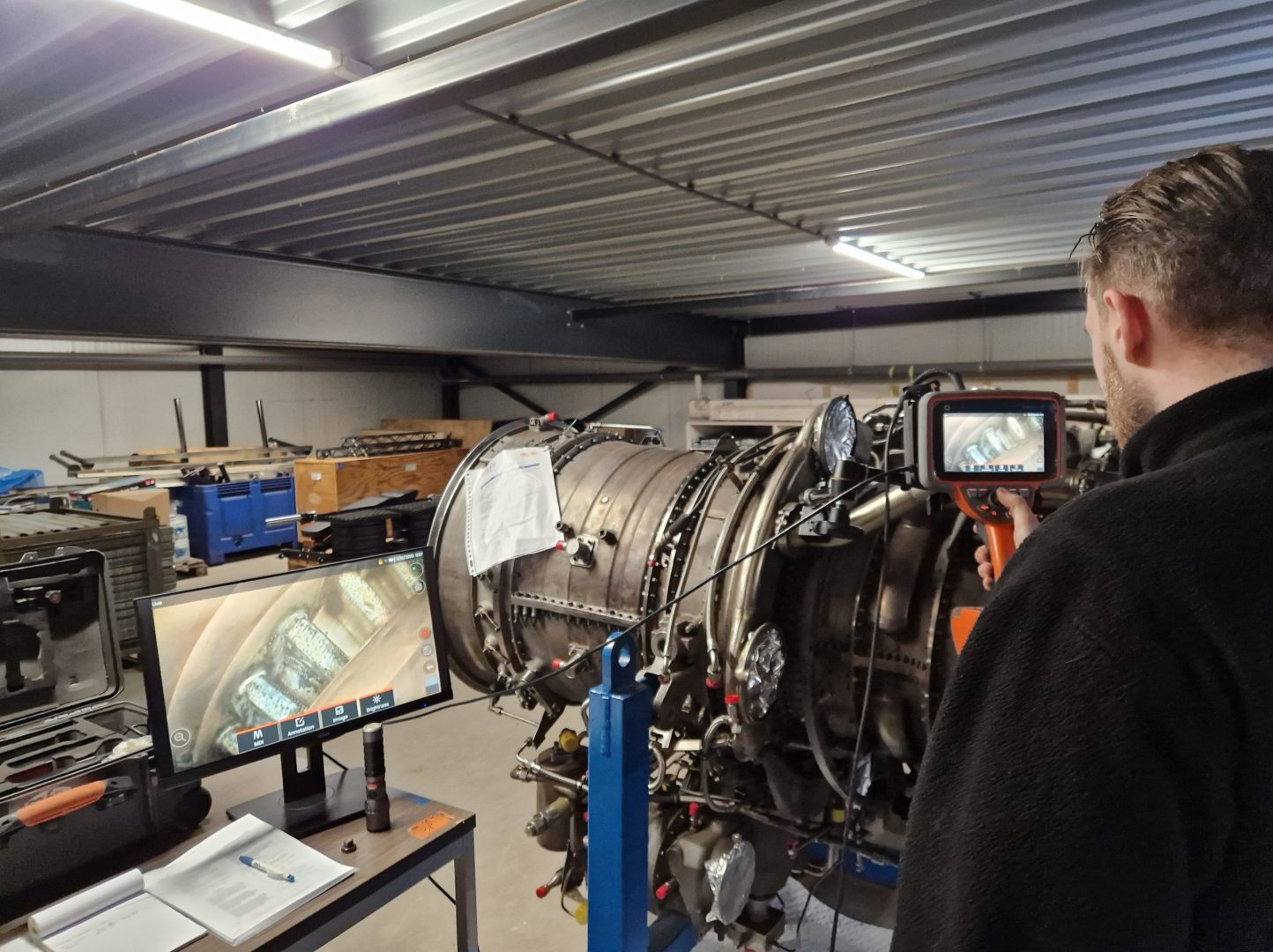
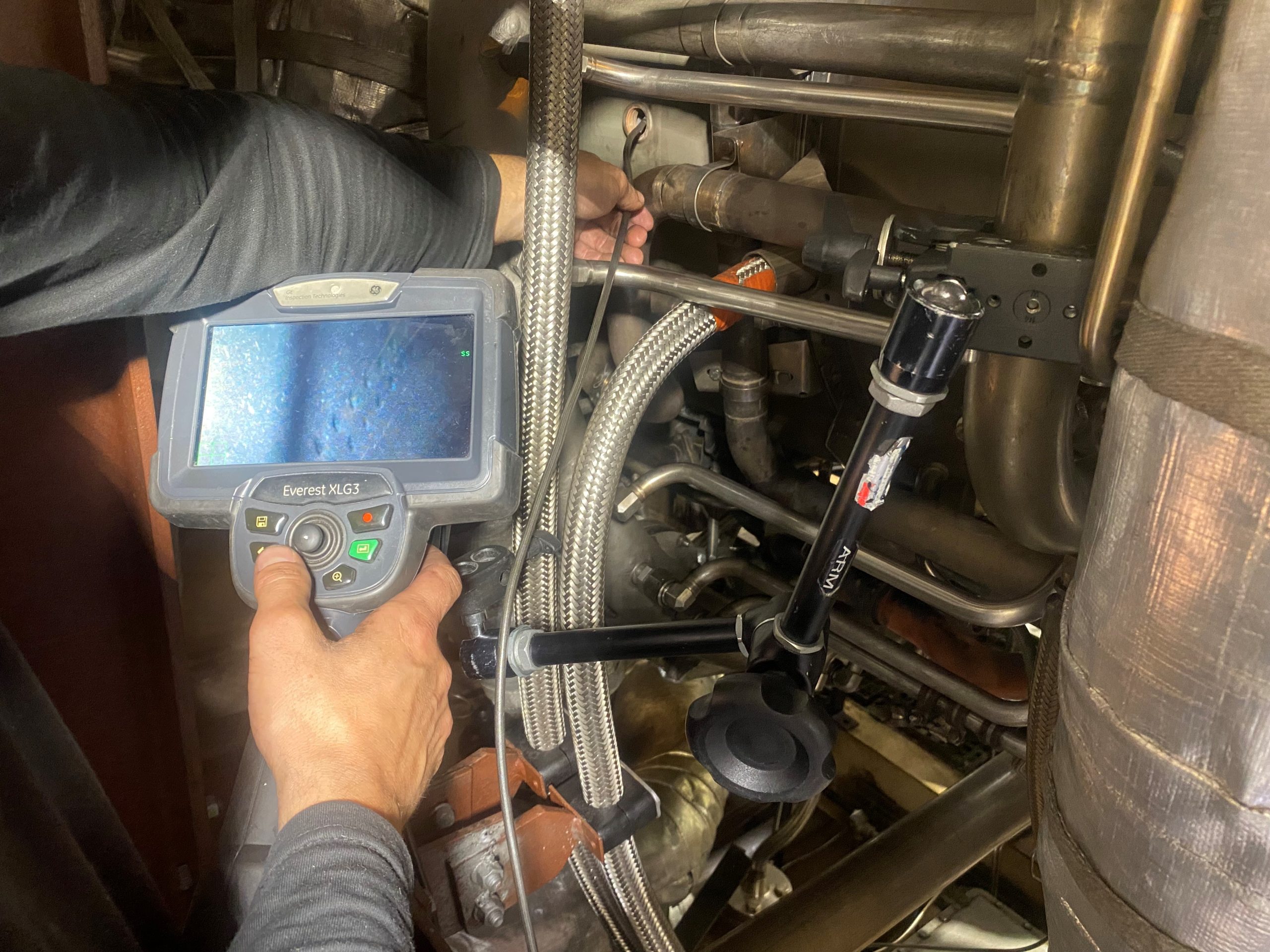
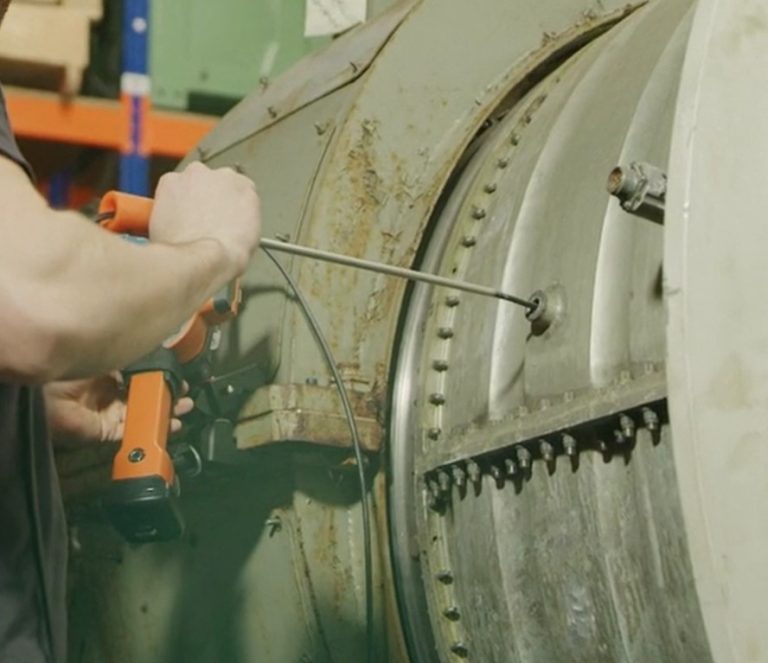
The MFS borescope inspection (BSI) is a method to assess the internal condition of a gas turbine without disassembly. Using a flexible camera probe, skilled engineers inspect critical components and create a detailed report with high‑quality visuals, enabling proactive maintenance planning and avoiding unnecessary downtime. A typical BI is scheduled every 4,000–8,000 operating hours or annually (whichever comes first) to maintain reliability and safety .
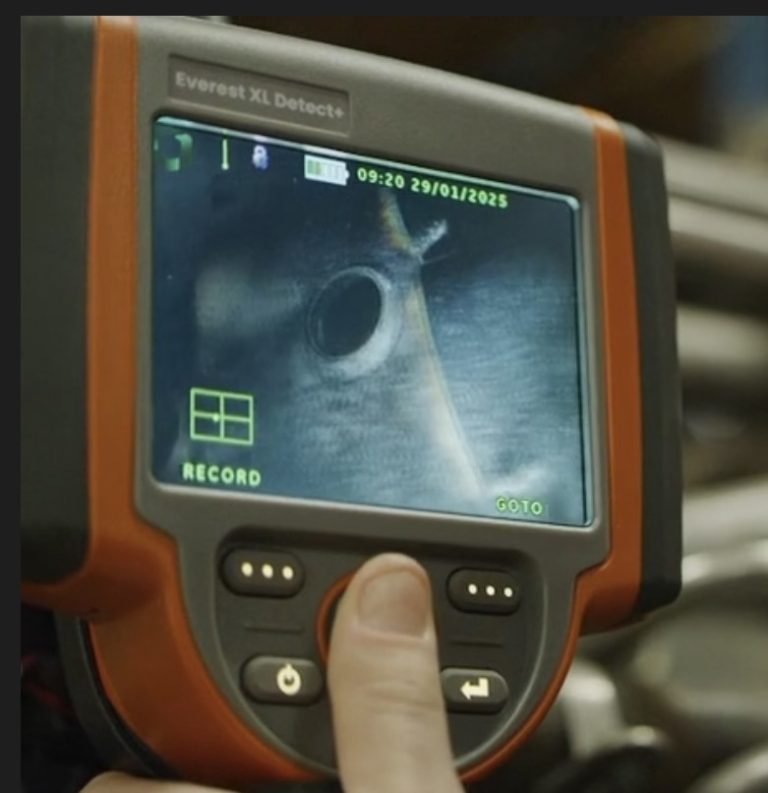
| Area Inspected | Typical Findings & Actions |
| Compressor blades & vanes | Fouling, cracks, impacts, damages, etc. |
| Combustion liners, fuel nozzles, | Detect cracks, hotspots, coating erosion, or deposits |
| Turbine blades & nozzles | Detect cracks, hotspots, coating erosion, or deposits and rub marks, blade tip wear, delamination or oxidization |
| Cooling holes & internal passages | Identify blockages, FOD or DOD that can affect airflow or heat control |


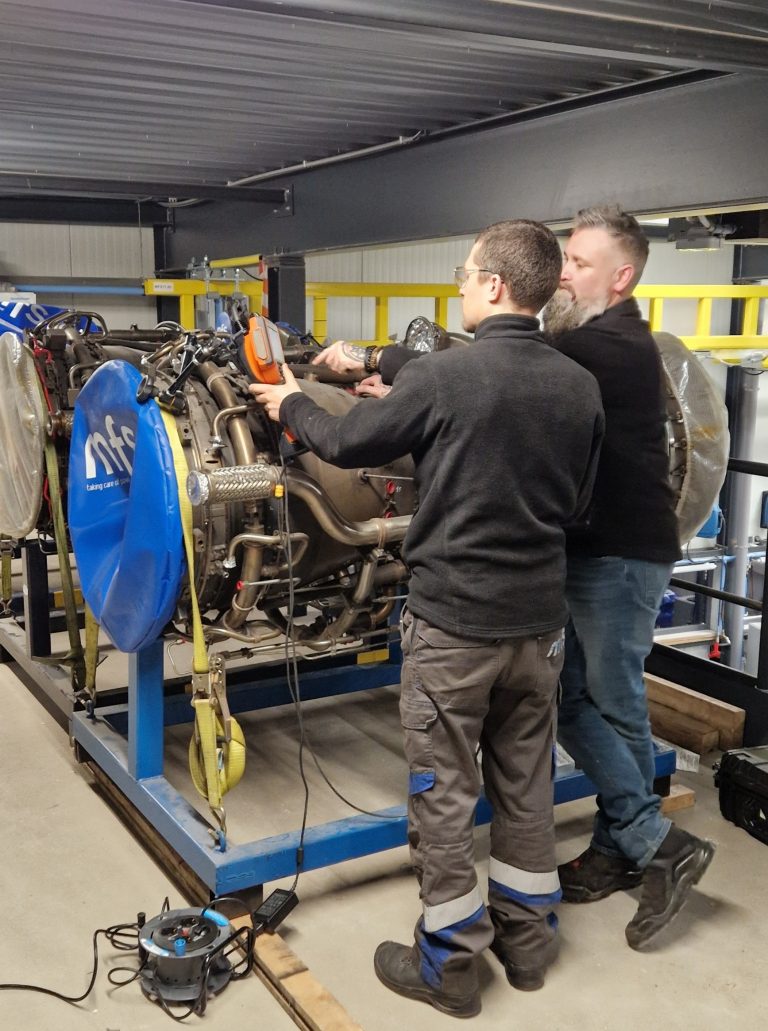
A Long Term Service Agreement (LTSA), Maintenance Year Agreement (MYA), or Frame Work Agreement (FWA) with MFS ensures that your gas turbine is consistently maintained, expertly serviced, and always ready for operation — reducing downtime, controlling costs, and extending asset life.
Contact us if you are interested in a tailored version for your specific turbine model, performance profile, or service agreement needs.
Our engineers have experience with both aeroderivative and heavy-duty gas turbines used in industrial and energy applications.
GE LM series
GE Frame series
Reduce turbine downtime and decrease your total cost of ownership.